

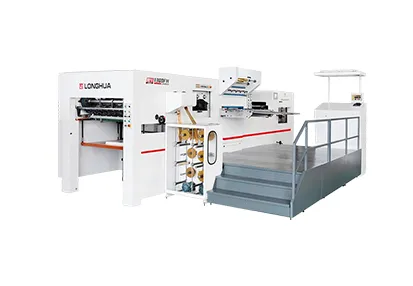
If you have been running an automatic foil stamping die cutting machine for any length of time, you already know that foil stamping and die cutting in one pass is a demanding process. The machine handles heat, pressure, and precision registration simultaneously. What many operators overlook is how much the quality of the final product depends on something as simple as a clean machine.
Most packaging professionals focus on temperature settings, pressure adjustments, and foil selection when troubleshooting quality issues. But when stampings start looking patchy, when registration drifts, or when the machine begins jamming unexpectedly, the root cause often traces back to one thing: accumulated debris. Paper dust, foil residue, and adhesive buildup do not just look unsightly. They actively interfere with the mechanical and thermal performance of your equipment.
What Happens When You Skip Regular Cleaning
An automatic foil stamping die cutting machine operates with tight tolerances. The difference between a perfect stamp and a reject can be fractions of a millimeter or a few degrees of temperature. When paper fibers and foil fragments accumulate on the feeding table, the stamping platen, or the die holder, they create uneven surfaces. Pressure that should be distributed evenly across the sheet gets concentrated in some areas and reduced in others. The result? Inconsistent foil transfer, weak edges on stamped designs, and incomplete cutting in certain sections of the sheet.
Temperature control is another area where cleanliness matters directly. The heating plate on a foil stamping die cutting machine needs to transfer heat uniformly to the die. Any layer of residue acts as an insulator, creating hot spots and cold spots across the stamping surface. This is why some areas of a stamped design may appear dull or poorly adhered while others look fine. Over time, uneven heating can also warp the die itself, leading to expensive replacements.
Then there is the issue of mechanical wear. Paper dust and foil debris are abrasive. When these particles work their way into gears, bearings, and guide rails, they accelerate wear on moving parts. Sensors that detect sheet position and alignment can become obscured by dust, causing registration errors that waste both material and production time. What starts as a small cleaning oversight can quickly become a costly repair.
Key Areas That Demand Daily Attention
Not every part of an automatic foil stamping die cutting machine needs the same cleaning frequency, but certain areas should be addressed at the end of every shift.
The feeding system is the first place to check. Paper dust and loose fibers accumulate around the feed tray and transport rollers. If left unchecked, this buildup can cause paper to feed crookedly or double-sheet, leading to jams that stop production entirely. A quick wipe-down of the feed zone removes the most obvious contaminants and keeps the paper path clear.
The stamping platen and die holder deserve special attention. Foil residue and adhesive from coated papers tend to build up on these surfaces. Use a soft brush or lint-free cloth with an appropriate cleaning solution to remove all residue. Avoid abrasive materials that could scratch the surface—scratches on the platen will transfer to every subsequent sheet you run.
The heating plate requires careful handling. Never attempt to clean it while it is still hot. Allow the plate to cool completely, then gently wipe away any residual foil or adhesive with a soft cloth and a recommended cleaning agent. Different die materials may require different solvents—brass or copper dies typically clean well with alcohol, while steel dies may need a dedicated cleaner.
Sensors and electrical components should be cleaned with low-pressure compressed air to avoid damaging delicate parts. The electrical cabinet also needs periodic attention—dust accumulation inside can lead to overheating and component failure.
How Often Should You Clean?
The short answer is: daily. At minimum, an automatic foil stamping die cutting machine should receive a thorough cleaning at the end of each production shift. This does not mean a full disassembly—it means removing paper dust, foil tails, and adhesive residue from the feeding area, stamping platen, die holder, and conveyor belts. Wipe down the machine exterior with a dry cloth and cover the die with protective film to prevent dust accumulation overnight.
Weekly cleaning should go deeper. Inspect gears, bearings, and guide rails for debris and apply lubrication as needed. Check sensors for accuracy and clean them if they appear dusty. Monthly inspections should include a thorough examination of dies for wear and a more comprehensive cleaning of internal components.
The Bottom Line on Machine Cleaning
Regular cleaning of your automatic foil stamping die cutting machine is not an optional extra. It is preventive maintenance that directly affects your bottom line. A clean machine runs more reliably, produces fewer rejects, and requires fewer emergency repairs. The time you invest in daily cleaning pays back many times over in reduced downtime and extended equipment life.
Paper dust and foil residue are inevitable in this line of work. But letting them accumulate is a choice—and it is one that comes with a cost. Make cleaning a non-negotiable part of your daily routine, and your automatic hot foil stamping die cutting machine will reward you with consistent performance, shift after shift.
Have Questions About Maintaining Your Equipment?
Whether you are looking for a detailed maintenance schedule for your automatic foil stamping die cutting machine or need guidance on troubleshooting specific issues, our team is here to help. Contact us to discuss your production setup, maintenance challenges, or any custom requirements for your foil stamping and die cutting operations.

