

You have invested in an automatic foil stamping die-cutting machine to streamline your packaging production. When everything runs smoothly, it delivers consistent quality and keeps your line moving. But when paper feeding starts to falter, the entire operation suffers. Sheets skew, double feeds occur, or worse—the machine jams entirely and stops production dead.
Paper feeding problems are among the most common frustrations operators face with automatic foil stamping die-cutting machines. The good news is that most of these issues are preventable and fixable. Understanding what causes them is the first step toward keeping your production line running without interruption.
Common Causes of Paper Feeding Problems on Automatic Foil Stamping Die-cutting Machines
Paper feeding issues on an automatic foil stamping die-cutting machine typically fall into three categories: material-related problems, mechanical wear, and environmental factors. Let us walk through each one.
Paper Deformation and Surface Conditions
The die-cutting process often comes at the end of the production chain. By the time paper reaches your automatic foil stamping die-cutting machine, it may have already gone through printing, lamination, and other treatments. High-temperature glazing or lamination can warp the paper, making it curl or buckle.
Paper that has been coated or laminated also presents a different challenge. A surface that is too smooth reduces friction, causing sheets to slip rather than feed cleanly. This is particularly common with heavily coated stocks or materials that have undergone UV treatment.
Static Electricity Build-Up
When paper moves through an automatic foil stamping die-cutting machine at high speed, friction generates static electricity. Sheets begin to cling to one another or to machine components, leading to double feeds or misfeeds. Static is often overlooked but can be one of the most persistent causes of erratic paper feeding.
Mechanical Wear and Component Issues
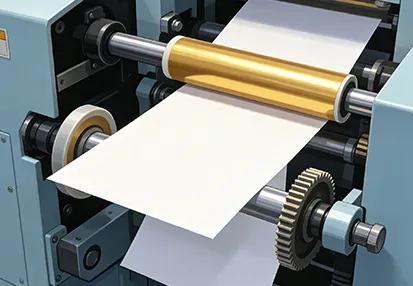
Over time, the feeding components of any automatic foil stamping die-cutting machine experience wear. Feed rollers lose their grip, belts stretch or crack, and suction nozzles lose their effectiveness. When the paper feed wheel wears out, its ability to hold and advance sheets diminishes. Similarly, drive belts that are too loose or too tight can cause unstable paper movement.
Air Pressure and Pneumatic System Problems
Many automatic foil stamping die-cutting machines rely on pneumatic systems for paper feeding. Insufficient air pressure is a frequent culprit behind feeding irregularities. The negative pressure pump that controls suction, and the positive pressure pump for blowing, both need to operate within specified ranges. If the working pressure drops below the required level, sheets will skew or fail to separate properly.
How to Diagnose and Fix Paper Feeding Issues
When your automatic foil stamping die-cutting machine starts showing feeding problems, a systematic approach will save you time and frustration.
Start with the Paper Itself
Before you start adjusting the machine, examine the paper. Is it flat? Has it been stored properly? Paper that has absorbed moisture or been exposed to temperature fluctuations will deform. Experienced operators often prepare paper before loading it into the automatic foil stamping die-cutting machine—adding wooden wedges or paper rolls to keep stacks flat, or pre-cutting edges to reduce feeding resistance.
If the paper surface is exceptionally smooth, reducing the machine speed slightly can help maintain consistent feeding.
Check the Feeding Components
Inspect the feed rollers for wear. Silicone rollers that have hardened or glazed over time should be replaced. Examine the feed belts for cracks or stretching. Clean any dust, paper lint, or adhesive residue from the feed path—these accumulations reduce friction and can cause sheets to slip.
The suction nozzles—often called Feida nozzles—need regular attention. If suction is weak, check for clogged air lines or worn components. Clean the nozzles and verify that the suction timing is correct.
Verify Air Pressure Settings
Check both the negative and positive pressure readings against the machine specifications. If the pressure is low, inspect the air pump and supply lines. Also, confirm that the air distribution timing—the sequence in which suction and blowing are applied—has not drifted out of adjustment. This is a maintenance item that is often overlooked but critical for reliable feeding.
Address Static Electricity
Static eliminators are a standard feature on well-equipped automatic foil stamping die-cutting machines. If your machine has one, make sure it is functioning properly. Anti-static bars and ionizing blowers should be cleaned regularly to maintain effectiveness. For machines without built-in static control, external anti-static devices can be added to the feed section.
Prevention: The Best Strategy for Smooth Paper Feeding
The most effective way to avoid paper feeding problems on your automatic foil stamping die-cutting machine is through consistent preventive maintenance. A few minutes of daily attention can prevent hours of unplanned downtime.
Daily Cleaning
Remove paper dust, foil residue, and any adhesive buildup from the feeding tray, rollers, and sensors. Use compressed air or a soft brush to clear debris from moving parts. Keep the feed path clean—dust and paper lint are the enemies of consistent feeding.
Regular Lubrication
Apply lubrication to the feed cam assembly, guide rails, and other moving components according to the manufacturer's schedule. Proper lubrication reduces friction and wear, keeping feeding components operating smoothly.
Component Inspection
Make it a habit to inspect feed rollers, belts, and suction nozzles weekly. Replace worn parts before they fail. Pay attention to the tightness of drive belts—they should be adjusted to the correct tension.
Environmental Control
Store paper in a controlled environment. Temperature and humidity fluctuations cause paper to expand, contract, or curl. Paper that goes into your automatic foil stamping die-cutting machine in good condition is far less likely to cause feeding problems.
Summary
Paper feeding problems on an automatic foil stamping die-cutting machine are frustrating, but they are rarely mysterious. Most issues trace back to paper condition, mechanical wear, pneumatic system problems, or static electricity. A systematic diagnostic approach—starting with the paper itself, then checking components and air pressure—will identify the root cause quickly.
What to take away:
Paper deformation and overly smooth surfaces are common material-related causes.Worn feed rollers, stretched belts, and weak suction are the primary mechanical culprits.Insufficient or unstable air pressure disrupts feeding consistency.Static electricity causes sheets to stick together or to machine surfaces.Daily cleaning and regular component inspection prevent most feeding problems before they start.
Need help keeping your Automatic Foil Stamping Die-cutting Machine running smoothly?
Paper feeding problems can disrupt your entire production schedule. Whether you are troubleshooting an existing issue or looking to prevent future downtime, our team can help. Contact us to discuss your production setup, maintenance practices, or any specific challenges you are facing with your automatic foil stamping die-cutting machine.

