

Every sheet that comes off your automatic die-cutting machine with a misaligned cut, an incomplete break, or a torn edge represents more than just wasted paper. It is wasted time, wasted labor, and a direct hit to your bottom line. In high-volume packaging production, even a small scrap rate compounds quickly.
The frustrating part is that many of these defects are preventable. They are not random acts of machinery—they are signals. The question is whether you know how to read them and what to do about them.
Start with the Makeready Process
Makeready is where scrap is either born or avoided. It is the setup phase before production begins, and it determines everything that follows.
The most common mistake operators make is rushing through setup to get the line running. A few minutes saved on the front end often costs hours of scrap on the back end. Taking the time to properly level the cutting plate, check pressure distribution, and verify registration marks pays for itself within the first few hundred sheets.
What does proper makeready look like? It means running test sheets at low speed, inspecting them under good lighting, and making incremental adjustments before ramping up to full production speed. It means treating the first 50 sheets not as production output but as validation. This approach alone can cut setup-related waste by a significant margin.
Modern automatic die-cutting machines with digital zone leveling can reduce setup time and improve first-run quality. If your machine has this capability, use it. If not, invest the time in manual calibration—your scrap rate will thank you.
Watch for the Warning Signs
An automatic die-cutting machine rarely fails catastrophically. Instead, it degrades gradually. The problem is that these gradual changes often go unnoticed until scrap rates spike.
Incomplete cutting is a classic example. When some areas of the sheet are not fully cut through, operators often blame the material. But the real cause is usually blade wear or uneven pressure distribution. Blades dull over time, and pressure plates shift. These are not dramatic failures—they are slow drifts that accumulate.
Dark lines and explosive lines are another signal. These typically point to excessive pressure or poorly matched counter plates. The machine is telling you something is off. Ignoring it means accepting higher scrap rates as the new normal.
The solution is systematic inspection. Check cutting rules regularly. Monitor pressure consistency across the platen. Keep a log of makeready parameters for each job type so you can spot deviations early. A well-maintained automatic die-cutting machine with consistent preventive care will protect cutting accuracy and reduce scrap over the long term.
Material Handling Matters More Than You Think
Paper and board are not inert materials. They respond to humidity, temperature, and static electricity. And an automatic die-cutting machine that runs perfectly with one batch of board may struggle with the next—not because the machine changed, but because the material did.
The most overlooked factor is sheet condition at the feeder. Warped or curled sheets cause feeding errors, which lead to misaligned cuts and jams. The solution is not always a machine adjustment—it is often environmental control. Storing board in a climate-controlled area and allowing it to acclimate before production makes a measurable difference.
Another factor is paper dust. As sheets run through the machine, fibers shed and accumulate on sensors, grippers, and cutting surfaces. Optical sensors that track sheet position require regular cleaning, especially when running dusty board. A dirty sensor reads incorrectly. An incorrect reading leads to a misaligned cut. A misaligned cut becomes scrap.
Incorporate cleaning into your daily routine. It takes minutes and saves sheets.
The Real Cost of Scrap
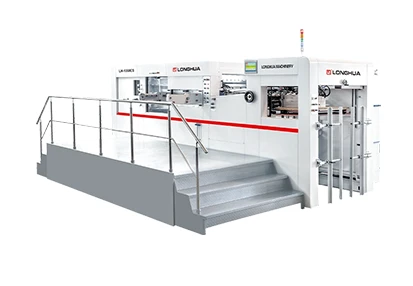
It is worth doing the math. If your automatic die-cutting machine runs at 7,500 sheets per hour and your scrap rate is 3%, that is 225 wasted sheets every hour. Over an 8-hour shift, that is 1,800 sheets. Over a week, 9,000 sheets. Over a year, the number becomes significant—not just in material cost, but in the labor required to sort, inspect, and handle defective output.
Now consider that many packaging operations run with scrap rates closer to 5% or higher. The gap between a well-run line and an average one is substantial.
Reducing scrap is not about chasing perfection. It is about closing the gap between what your machine is capable of and what it is actually delivering. Every percentage point you recover goes straight to your margin.
Summary
Lowering the scrap rate on your automatic die-cutting machine does not require expensive upgrades or wholesale changes. It requires attention to the fundamentals: a disciplined makeready process, regular inspection for warning signs, proper material handling, and consistent maintenance.
The results are predictable. Fewer defective sheets. Less time spent sorting and reworking. Lower material costs. And a production line that runs closer to its true potential.
What to take away:
-
Makeready is not optional—it is the foundation of scrap reduction
-
Gradual degradation is the enemy; inspect regularly
-
Material condition and machine cleanliness are as important as mechanical precision
-
Every scrap reduction percentage improves your bottom line
Ready to Cut Your Scrap Rate?
If you are evaluating a new automatic die-cutting machine or looking to optimize your current line, we can help. Whether you need guidance on makeready best practices, want to understand which machine configuration suits your material mix, or are ready to discuss a replacement, our team is here.
Contact us to talk about your production targets, your current scrap challenges, and how the right automatic die-cutting machine—and the right support—can make a difference.

