

An automatic foil stamping die cutting machine is a serious investment. When it runs well, it delivers consistent output shift after shift. When it doesn’t, the costs add up fast—scrapped sheets, missed deadlines, and repair bills that eat into margins.
The good news? Most premature failures are preventable. A structured maintenance routine doesn't take hours out of your day. It takes a few minutes per shift and a bit of discipline. And the payoff is measurable: fewer unplanned stops, more consistent foil transfer, and years of reliable service from your equipment.
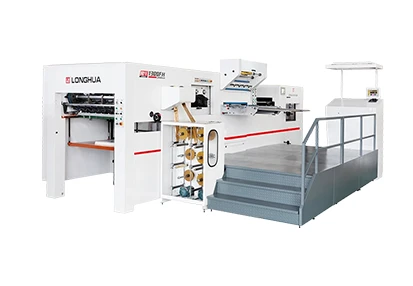
Here are six simple habits that will help you get the most out of your automatic foil stamping die cutting machine.
Start Each Shift with a Thorough Cleaning
Paper dust, foil residue, and adhesive particles accumulate quickly on an automatic hot stamping die cutting machine. If left in place, these contaminants work their way into moving parts, accelerate wear, and can even affect the quality of your foil transfer.
At the beginning of every shift, take a few minutes to clear the cutting bed, die holders, feeding system, and conveyor belts. Use low-pressure compressed air to blow dust from gears, sensors, and crevices—but avoid high pressure, which can damage delicate components. Wipe down surfaces with a lint-free cloth and a mild cleaning solution. Pay special attention to the foil feeding path, including the guide rollers and feeding wheels, to ensure smooth, uninterrupted foil delivery.
This isn't optional housekeeping. It's the single most effective thing you can do to prevent gradual performance decline.
Keep the Machine Properly Lubricated
Friction is the enemy of any automatic foil stamping and die cutting machine. Moving parts that run dry will wear prematurely, leading to play in the mechanism and, eventually, misregistration or inconsistent pressure.
Follow the manufacturer's lubrication schedule for each component. Daily lubrication typically covers the main chain, cam travel bearings, and side gauge mechanisms. Weekly maintenance should include the front gauge adjustment device and fly part lifting cam. Monthly, grease the clutch and add oil to the secondary home position block cam device.
Use only manufacturer-recommended lubricants. Substituting with cheaper alternatives might save a few dollars today, but it can cause long-term damage that costs far more to repair.
Inspect the Heating System and Temperature Calibration
Temperature consistency is critical for quality foil stamping. The heating plate surface should be inspected regularly for signs of wear or uneven heating. If you notice patchy or incomplete foil transfer, temperature inconsistency is often the culprit.
An automatic foil stamping die cutting machine with independent heating zones—like the 12-zone system used in Longhua's FH series—offers better control, but only if the system is properly maintained. Check that all zones are functioning within their specified range. Clean the heating plate and stamping head regularly to prevent buildup that can insulate the surface and create cold spots.
If you're making adjustments, do them incrementally—small changes in temperature or pressure are easier to dial in than drastic swings.
Check the Foil Feeding System Daily
Foil feeding problems are one of the most common sources of downtime on an automatic foil stamping machine. Wrinkled foil, uneven tension, or a dull cutting blade can turn a smooth production run into a troubleshooting session.
Inspect the foil unwinding and rewinding mechanisms for smooth operation at the start of each shift. Replace worn foil guides promptly. Test the foil cutting mechanism for sharpness—if foil tears or leaves uneven edges, it's time to sharpen or replace the blade.
Also check the foil tension settings. Too much tension can cause breakage; too little leads to wrinkling. The servo-driven feeding systems on modern automatic foil stamping die cutting machines handle much of this automatically, but manual verification still matters.
Document Everything and Train Your Team
Maintenance logs are more than paperwork. They're a diagnostic tool. When you document cleaning, lubrication, part replacements, and any issues you encounter, you build a history that helps identify patterns before they become problems.
If a particular component keeps failing, the log will tell you. If performance starts drifting, you'll have a reference point to compare against.
Equally important is operator training. A well-trained operator notices subtle changes in machine behavior—a new noise, a slight vibration, a change in foil feed resistance—that an untrained eye would miss. Make sure everyone running the equipment knows what to look for and what to do when something doesn't feel right.
Summary
Extending the lifespan of your automatic foil stamping die cutting machine doesn't require exotic techniques or expensive consultants. It requires consistency. Clean it daily. Lubricate it properly. Inspect the heating system. Check the foil feed. Document what you do. Train your people to do the same.
These habits won't eliminate every maintenance issue. But they will catch small problems before they become expensive ones. They will keep your automatic hot stamping die cutting machine running at peak performance for years. And they will protect the investment you've made in your production capability.
Ready to Get More from Your Equipment?
Whether you're looking to improve your current maintenance routine or considering an upgrade to a newer automatic foil stamping die cutting machine, we're here to help. Our team can walk you through best practices, answer questions about specific models, and help you find the right solution for your production needs.
Contact us today to discuss how we can support your operation.

